How to Pitchthe right way
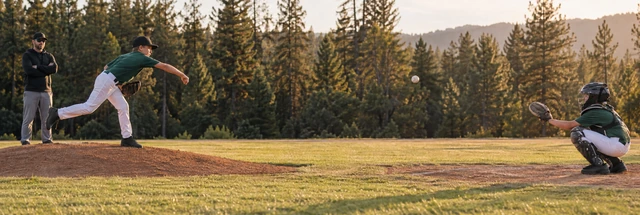
Pitching is the one position where a single player controls the tempo of the whole game. It rewards repeatable mechanics, a small toolbox of pitches thrown with intent, and an arm that is cared for between outings. This module walks through grips, mechanics, in-game strategy, and arm care, in that order.
MLB/USA Baseball Pitch Smart guidance for ages 9–12 says to avoid breaking balls, including sliders and curveballs. Majors pitchers practice the four-seam, two-seam and changeup here. Stop throwing for elbow or shoulder pain and tell a coach. Little League Regulation VI governs game eligibility; check the coach note below.
Little League Regulation VI sets the Majors game limits, separate from Pitch Smart health guidance. A league-age 10 pitcher has a 75-pitch daily maximum; league ages 11–12 have 85, subject to the batter-threshold provisions and required calendar rest. A Majors player may pitch in only one game per day. Catching four or more innings bars pitching that day. Delivering 41 or more pitches bars catching unless the 40-pitch batter-threshold exception applies. After catching three or fewer innings, delivering 21 or more pitches bars a return to catcher unless the 20-pitch batter-threshold exception applies. An adult must check the official count and current Regulation VI pitching rules before either role change.
The Grips
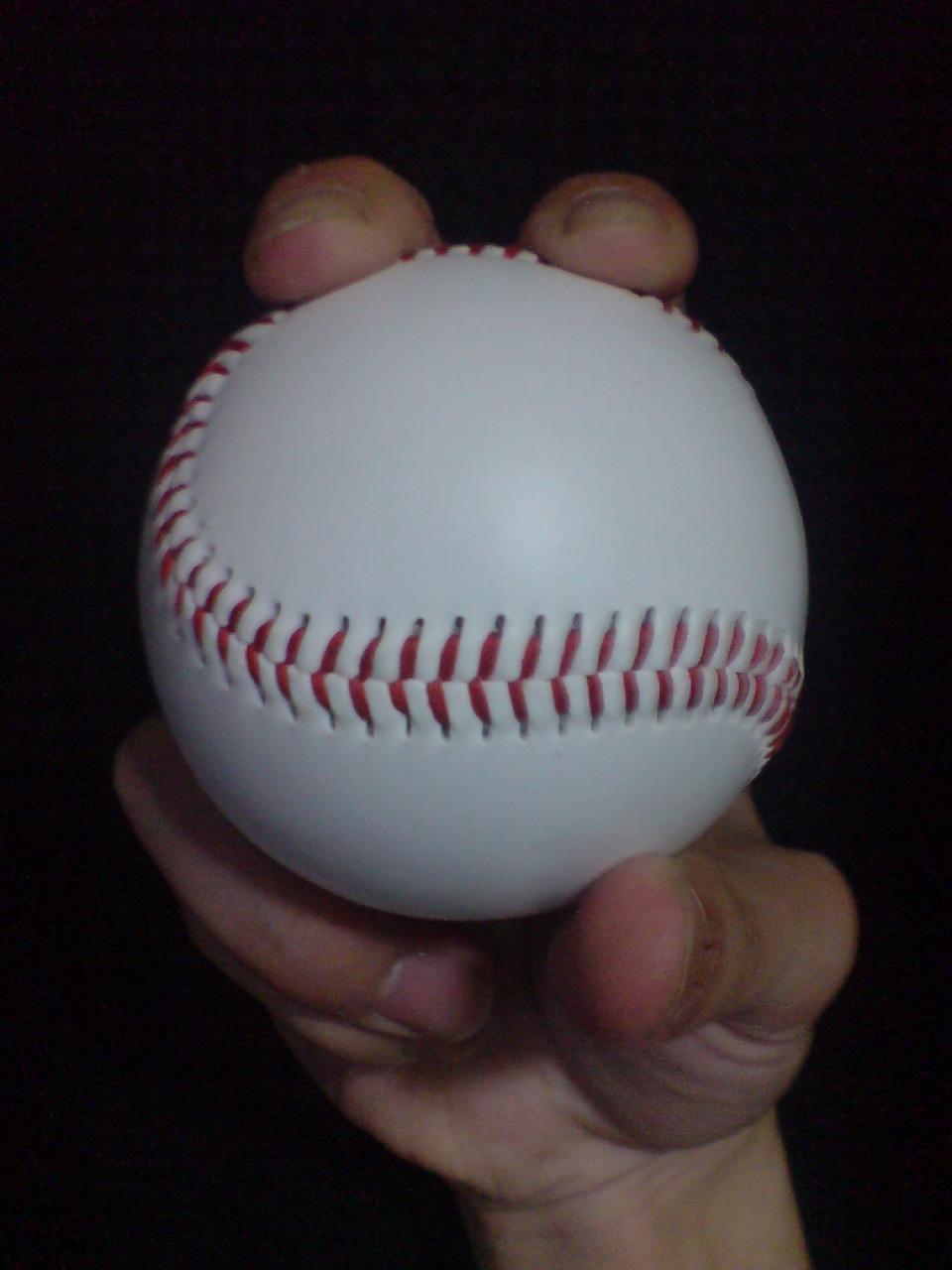
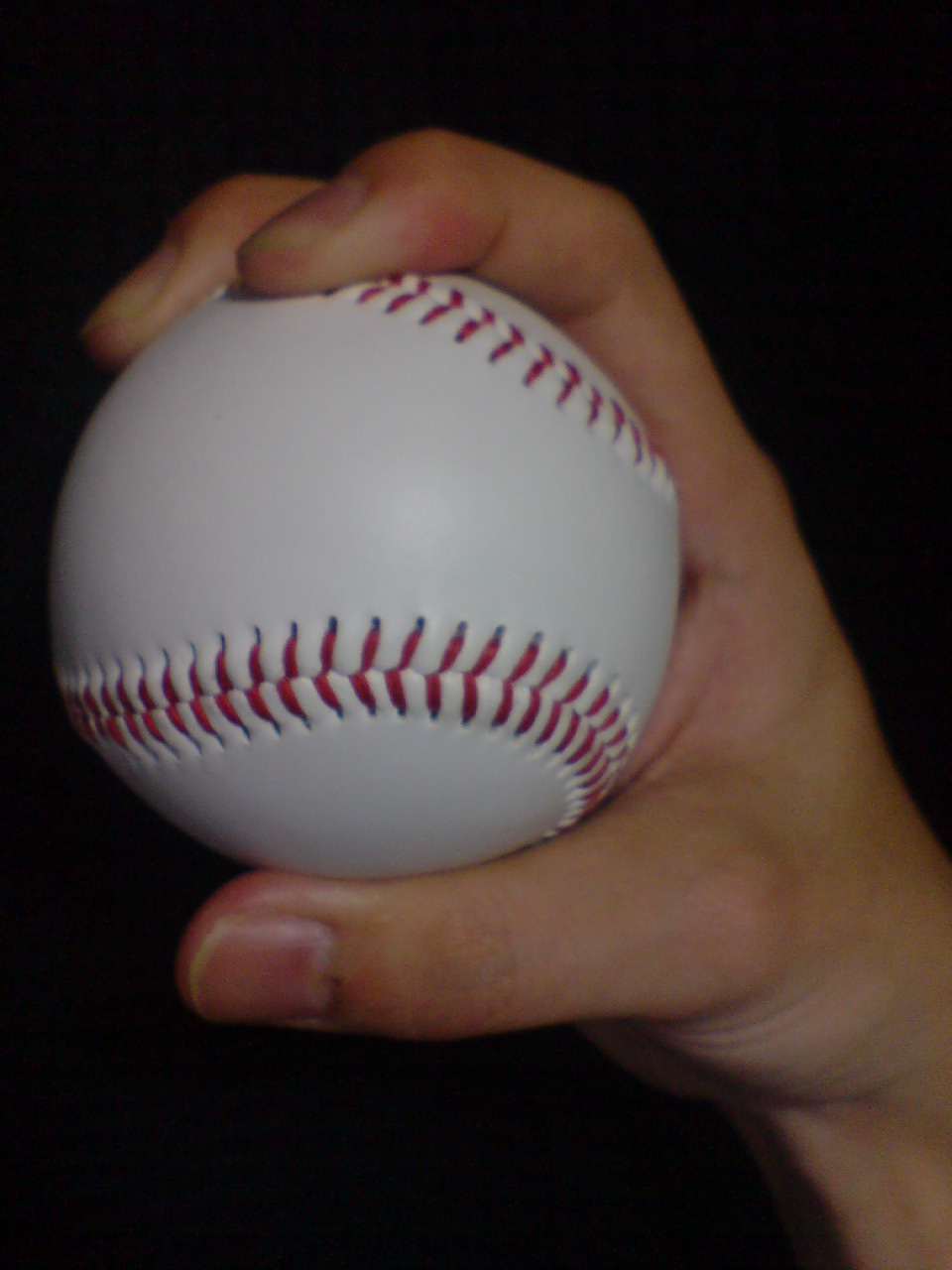
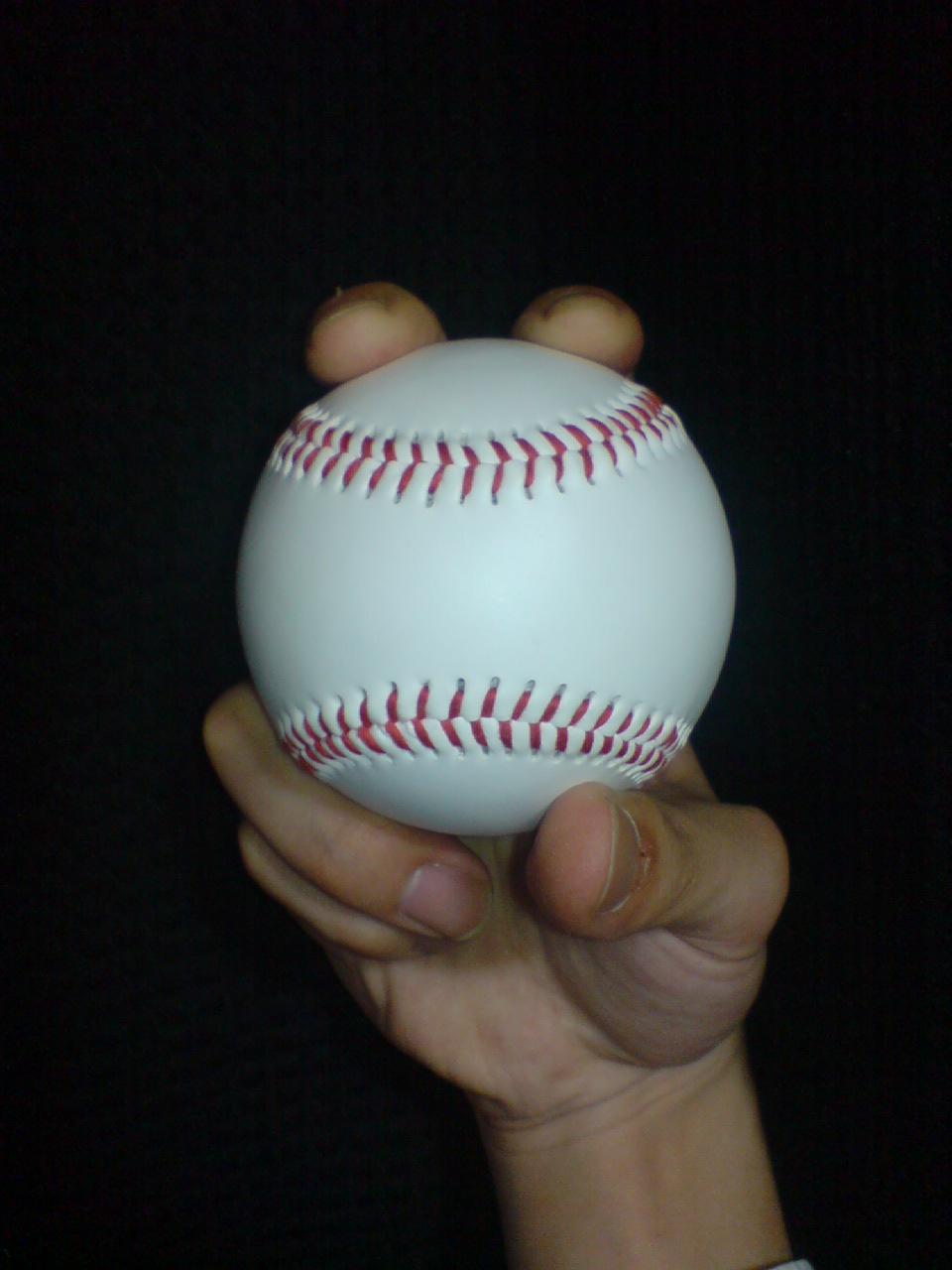
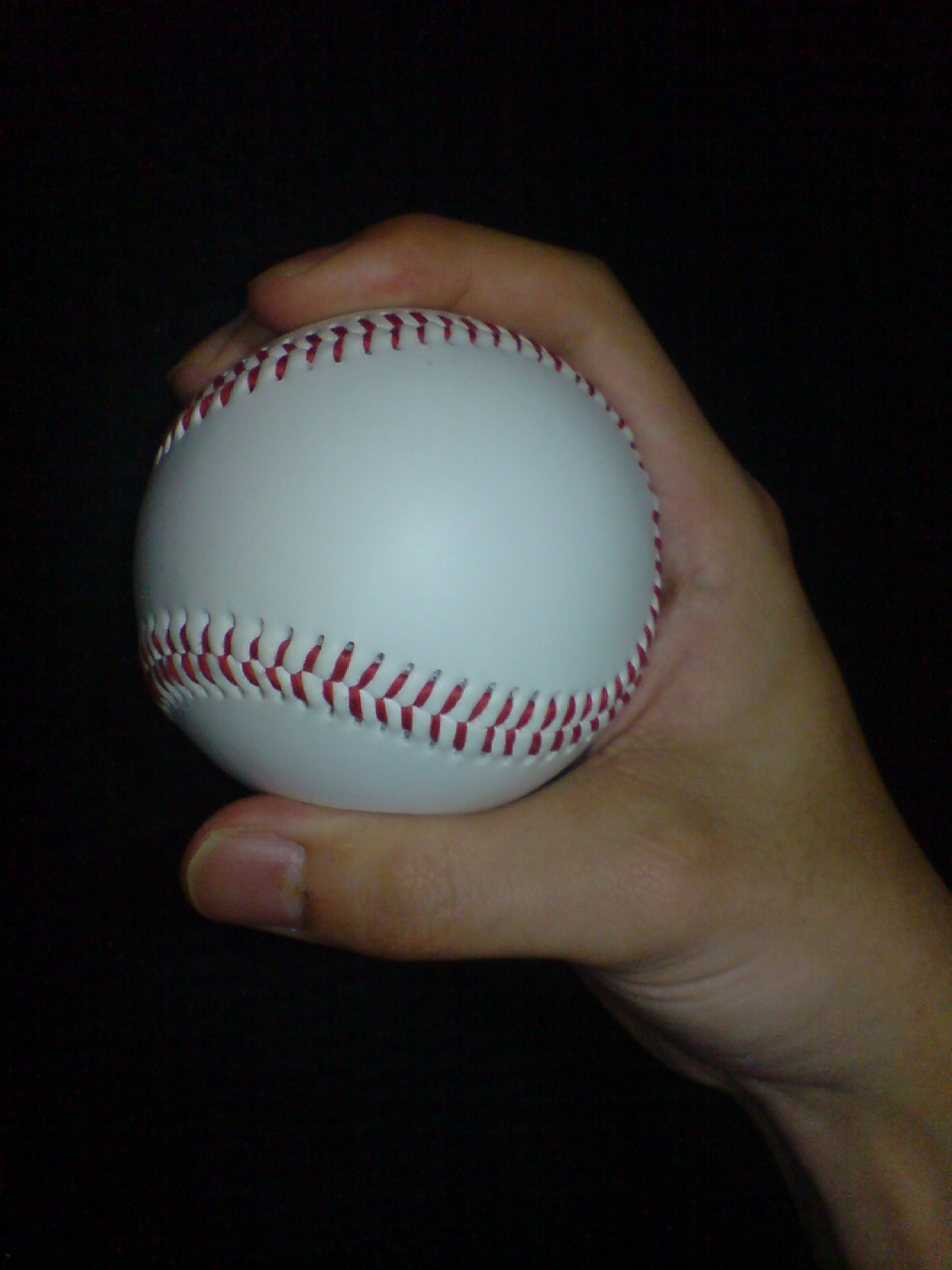
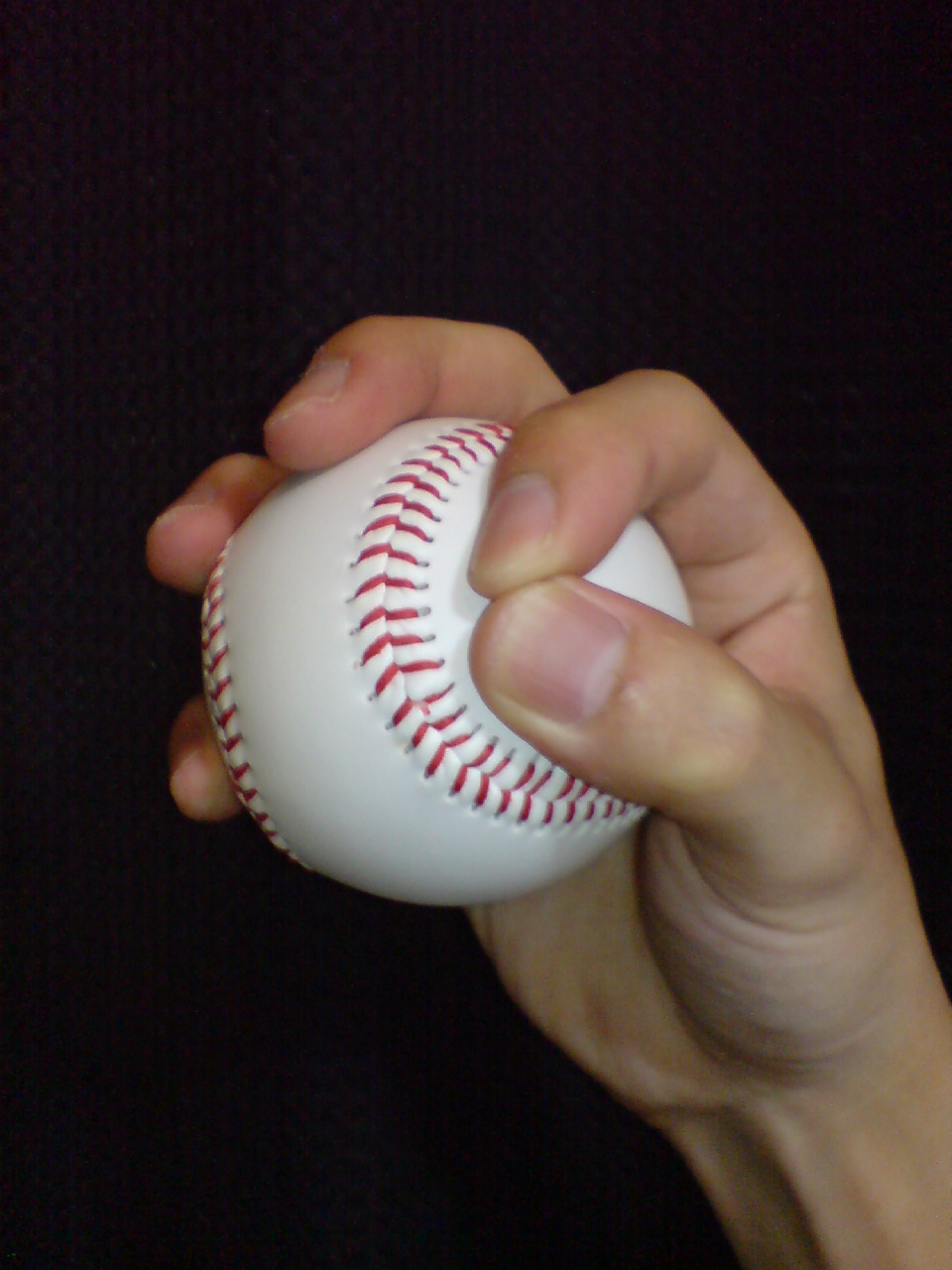
Three pitches form this Majors practice plan: the four-seam fastball, two-seam fastball and changeup. Tap a pitch to load it into the Grip Explorer.
Grip Explorer
Fastball- Expected Movement
- Velocity Difference
Velocity figures are general, approximate ranges relative to your own four-seam fastball, not fixed numbers. Actual differences vary by pitcher, age, and arm strength.
Mechanics
Work the delivery in order, windup to follow-through. Check each step as you groove it.
Strategy
Common questions pitchers ask. Tap a question to open the answer.
Arm Care
The outing that matters most is the next one. Protect the arm before and after.
The two rules to carry off this page: a pitcher may never pitch on three consecutive days, and daily pitch counts are capped by league age, not division. That means 75 pitches at league age 10 and 85 at league age 11–12, with required rest days that scale with the count. Stop throwing and seek evaluation for any arm pain rather than pitching through it.
Warm-up and long-toss progressions, post-outing recovery, the full pitch-count and rest table, the kinetic chain, and workload red flags all live in Arm Strengthening & Injury Prevention, the single source of truth for keeping the arm healthy.
Open Arm Strengthening & Injury Prevention →Finish line
You reached the end of Lesson 7 of 8: Pitching: Grips, Mechanics & Strategy
Go on to lesson 8, or return to the Majors Dugout. Review any part from the Sections menu.
Connect learning and practice
Practice this skill
Discuss workload, rest, eligibility and stop conditions with a responsible adult. A checklist or quiz result never clears a player to throw. Choose any physical rehearsal deliberately from the complete planner instructions.
Read the complete setup, equipment and stop instructions before activity. A missed question never prescribes extra throwing.


.jpg)


